Table Of Content
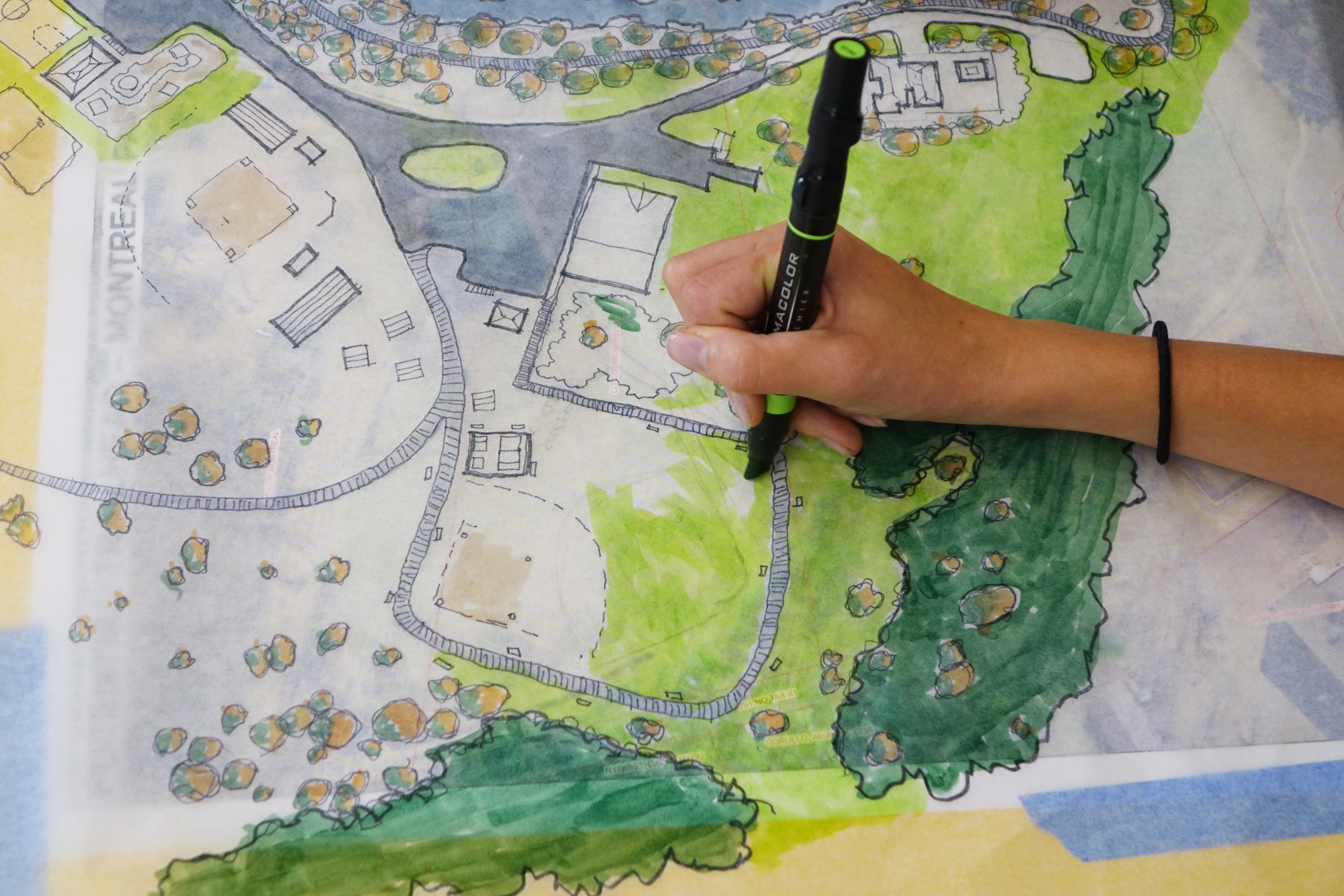
Now, let's wrap this rodeo and outline how to facilitate your own design charrette. Design charrettes are not just workshops; they are transformative experiences that empower communities to actively shape their built environment. By embracing collaboration, trust-building, and inclusive decision-making, charrettes can pave the way for successful and sustainable projects that truly serve the needs of the community. The Ecole Des Beaux-Arts in Paris, with its emphasis on design collaboration and critique, became a hotbed of architectural innovation and creativity. Graduates of the institution went on to shape the urban landscapes of major cities around the world, applying the principles and techniques they had honed during their time at the school. The design charrette process, a cornerstone of the Ecole Des Beaux-Arts, spread beyond the borders of France and became a fundamental practice in architectural education and professional practice globally.
Share This

Our ongoing Design Charrette program aims to highlight the value of good design, critical thinking and public dialogue for improving our shared built environment. After the invitation goes out on social media, you can begin to gather a collection of visual examples for your design problem. Create a Facebook event or group where others can join and share in the research.
Facilitate Effective Communication
The practice of design charrettes has since evolved and is now widely used in various industries as a collaborative and creative problem-solving method. Design charrettes offer various variations and complementary plays to foster collaboration and holistic thinking. Alternative plays, such as Crazy Eights and Round Robin, can further enhance the creative process. Follow-up plays like How Might We and Mash-up build upon the ideas generated during a charrette.
Emerging Issues
Construction of Phase I started in June 2021 with an expected completion in June 2023. Subject to availability of financing, Phase II construction is projected to start by the end of 2023. The residents of the Phase I footprint were temporarily relocated to a combination of on-site units and off-site units.
The term “charrette” is believed to have originated from the 19th-century student architects at the renowned Ecole Des Beaux-Arts in Paris. These talented students would collaborate and engage in spirited critique sessions while traveling to school in carriages, otherwise known as “charrettes”. The practice of design charrettes has since evolved and expanded beyond its origins, finding widespread adoption in various industries as a collaborative and innovative problem-solving method. A charrette can be the mechanism that starts the communication process among the project team members, building (or campus) users, and project management staff. Furthermore, a charrette can be viewed as a creative burst of energy that builds momentum for a project and sets it on a course to meet project goals. It can transform a project from a static, complex problem to a successful, buildable plan.
As a first step in making this case, we need to assess the impact of moving the charrette from the end to the beginning of the design process. The word, charrette, is now used to describe many types of participatory workshops and meetings. A French word, charrettes were the “little carts” that moved through the classrooms of French art and design students that collected student projects for review by their instructors. By presenting and documenting the results of your design charrette, you can demonstrate the value of this collaborative process and set the stage for a successful project outcome. With clear communication and thorough documentation, you'll be well-equipped to take your project to the next level.
The Power of Design Charrettes for Community Engagement
The leader tailors the setting, background materials, and issues to the goal of the charrette and elicits participation from all group members within the allotted time. One or two staff people should be available for support to the leader and to supply data and information. By creating a detailed agenda, you'll be setting your design charrette up for success and ensuring that your team can efficiently work towards creating the best possible solution for your project. Already, one of the Kansas City District’s projects at LCAAP — a water treatment plant — is 100% complete. Additionally, the district constructed a brand-new emergency services facility for fire, ambulance, security and more for the plant which was completed several years ago.
Planning and Conducting Integrated Design (ID) Charrettes
Charrettes today are often conduct within one long working day, but just as often consist of multi-day sessions. With clients, we usually start with images of an existing building that have a similar use to the client’s project. With both exterior and interior photos, a back-and-forth discussion develops regarding what the client likes or dislikes and why. The process helps us narrow in on what the client would like to see for the look and feel of the space.
UEM Sunrise partners PAM for KLAF Design Charrettes 2023 - The Edge Malaysia
UEM Sunrise partners PAM for KLAF Design Charrettes 2023.
Posted: Fri, 22 Dec 2023 08:00:00 GMT [source]
Add marketing work, set immediate goals and make a timeline for implementation. Within a few days bring your steering committee back together to create a formal report for the event. It should illustrate the charrette findings in a compelling way as to be shared with any larger audiences.
This visual representation facilitates understanding and allows for a more meaningful dialogue about the strengths and weaknesses of each concept. By discussing and critiquing the sketches together, the team gains a deeper understanding of the rationale behind different design choices and can collectively decide on the most effective solutions. Design charrettes are known for their participatory nature, rapid iteration, and focus on generating innovative solutions to complex problems.
In the world of design, a design charrette, also known as a design studio, is like a collaborative brainstorming session where a team of individuals comes together to sketch creative solutions to a design problem. It’s a fun and dynamic way to generate new ideas and encourage input from every member of the team, regardless of their graphical prowess. The other external influence that has led to the near extinction of the traditional charrette is new digital technology.
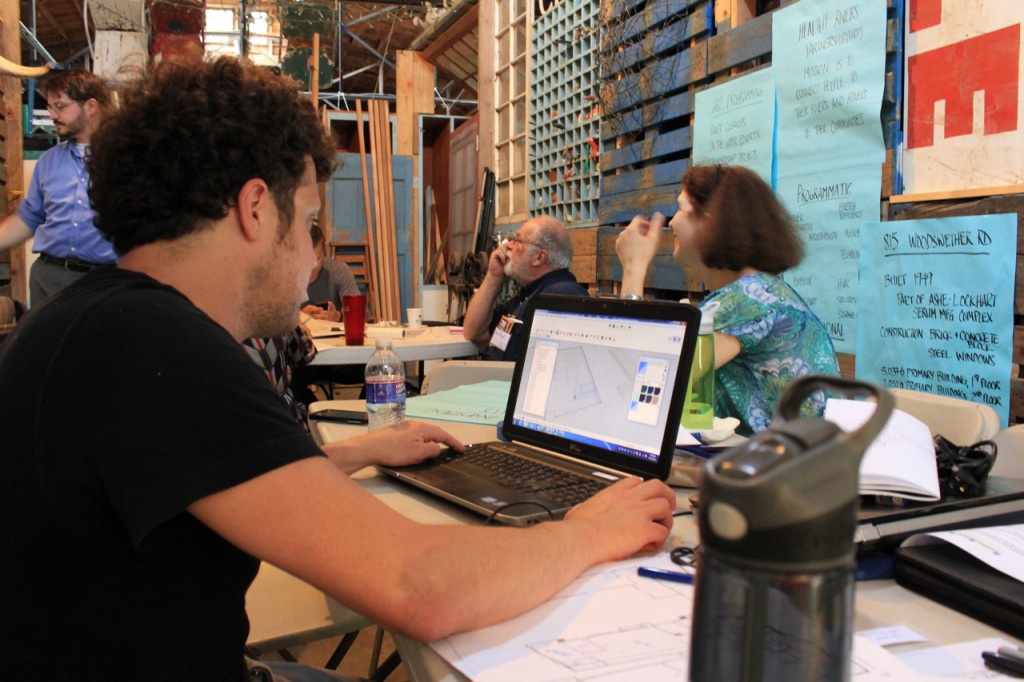
The idea for design charrettes (from the French word charrette meaning “chariot” or “cart”) is believed to have derived from stories of architectural students in Paris in the 1800s. As the story goes, students’ exams were collected in a charrette, and some of these students continued to madly sketch together as their designs were being gathered for evaluation. WBDG is a gateway to up-to-date information on integrated 'whole building' design techniques and technologies. The goal of 'Whole Building' Design is to create a successful high-performance building by applying an integrated design and team approach to the project during the planning and programming phases. Next, share this report with the group of design charrette participants and see if they have any further changes to incorporate before the ideas are circulated further. First is a one- to nine-month planning process of research, education, and charrette preparation.
Participants then spend approximately an hour sketching their ideas individually or in pairs, followed by presenting their sketches to the group for feedback and discussion. Once all ideas have been discussed, the group can decide on the most suitable concepts through voting. Design charrettes can accommodate groups of varying sizes, from small teams of four to large gatherings of 40 or more participants. The size of the group depends on the nature of the project and the objectives of the charrette. Allocate approximately an hour for participants to sketch their ideas individually or in pairs. Emphasize the importance of generating ideas rather than worrying about artistic abilities.


No comments:
Post a Comment